
How Nitrogen Boosters Are Transforming Industrial Operations
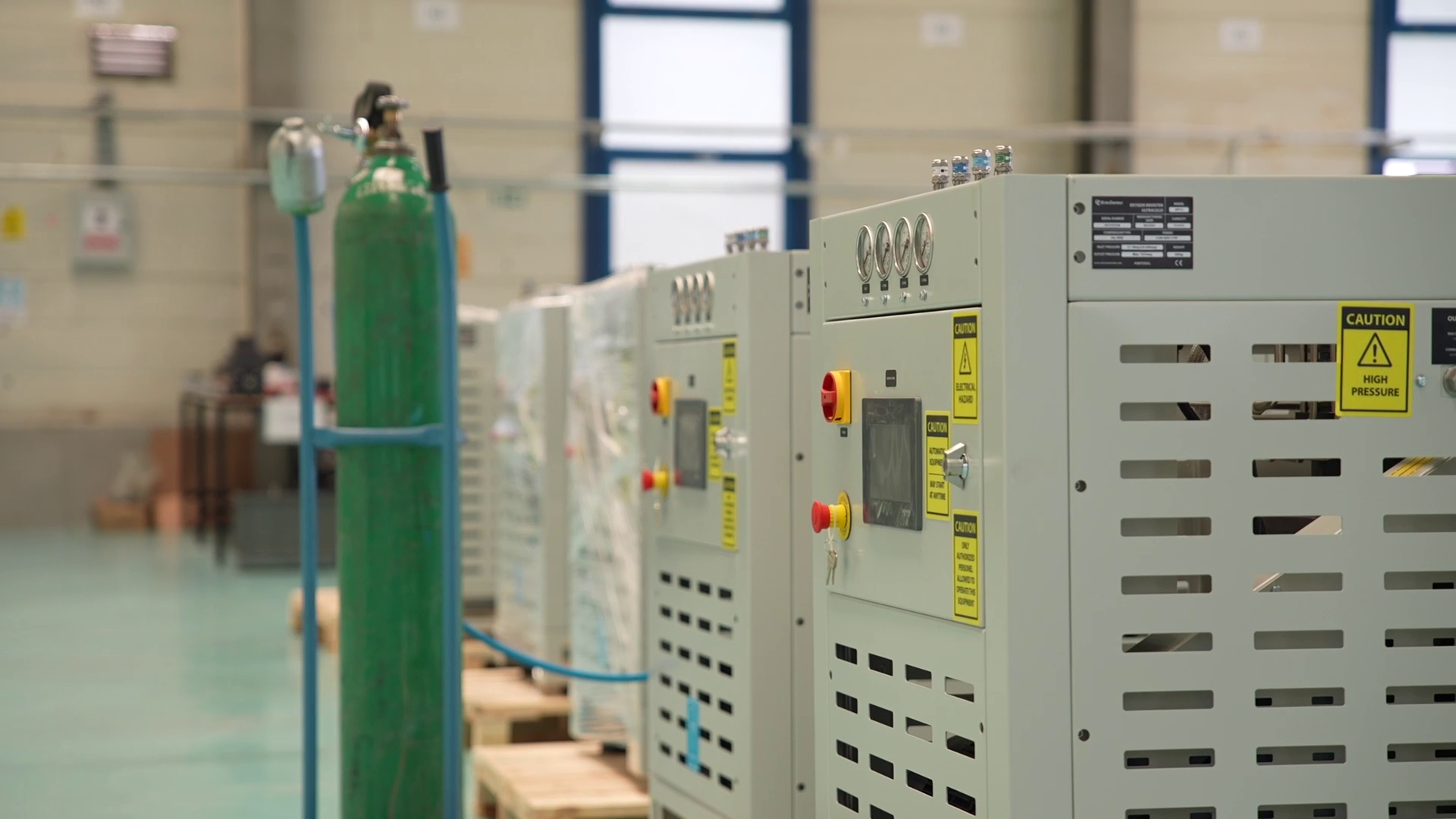
Industries that rely on high-pressure nitrogen—from chemical and food processing to metalworking—are seeing a real difference thanks to nitrogen boosters. These systems ensure a reliable, continuous supply of nitrogen at exactly the pressure needed, helping businesses run more efficiently and safely.
At NESA Compressors, we specialize in designing nitrogen boosters that are efficient, durable, and tailored to the needs of modern industries. Let’s take a closer look at how these systems work and why they’re becoming indispensable in industrial operations.
What Exactly Does a Nitrogen Booster Do?
In simple terms, a nitrogen booster is a compressor that increases the pressure of nitrogen from a low or medium level to a much higher level that industrial equipment can use.
They are commonly used in:
- Chemical manufacturing
- Food and beverage processing
- Metalworking and fabrication
- Medical and pharmaceutical applications
Depending on the process requirements, nitrogen boosters can be piston, diaphragm, or centrifugal types, each suited for different tasks. Using a booster not only improves efficiency but also reduces storage and transportation costs while providing a flexible and safe high-pressure nitrogen supply.
How a Nitrogen Booster Works
Nitrogen boosters operate in three main stages:
1. Receiving Low-Pressure Nitrogen
The system starts by taking in nitrogen from a nearby source, such as:
- On-site nitrogen generators
- Vaporized liquid nitrogen storage tanks
- Plant-wide nitrogen networks
This nitrogen is at a lower pressure and needs to be boosted to meet industrial demands.
2. Boosting the Pressure
The heart of the system is the compression stage. Depending on the booster type:
- Piston boosters use pistons moving back and forth to compress the gas.
- Diaphragm boosters use a flexible diaphragm, ensuring the nitrogen stays pure and oil-free.
- Centrifugal boosters use high-speed impellers for a continuous, high-volume flow.
Many systems also include multiple compression stages and cooling mechanisms, which help maintain consistent pressure and prevent overheating.
3. Delivering High-Pressure Nitrogen
Once the gas reaches the required pressure, it can be:
- Sent directly to production equipment
- Stored in high-pressure cylinders or tube bundles for future use
- Supplied wherever high-pressure nitrogen is needed
This flexibility ensures that industries always have the nitrogen they need, when they need it.
Why Choose NESA Nitrogen Boosters?
Our nitrogen boosters are designed with industrial efficiency in mind. Benefits include:
Oil-free, contamination-free operation, ideal for sensitive processes
Stable and reliable high-pressure supply for uninterrupted operations
Energy-efficient design to reduce operating costs
Flexible configurations to match different industrial setups
Cost savings by lowering storage and transportation needs